
If you coordinate lifestyle activities in aged care, you already know the balancing act. Bingo for the residents who love a bit of competition, music for those who light up at a familiar song, outings, crafts, visiting pets. And all of it has to work for people with very different abilities, moods and memories.
Meditation is one of the few activities that can genuinely fit almost everyone. It can be done seated or in bed, and it needs no equipment or experience. It also asks nothing of residents except to be there.
Here's how to make it a real, regular part of your program.
Why Meditation Earns Its Place
The strengthened Aged Care Quality Standards, in place since 1 November 2025, put the individual at the heart of care. That includes their wellbeing and quality of life, not just their physical needs.
Meditation speaks directly to that. For many residents, the move into care brings real losses: of home, of independence, sometimes of friends and partners. A calm, shared session gives them a moment to settle, breathe and feel part of something.
What the Research Says
The evidence is encouraging, though still young.
A 2024 review of mindfulness programs for long-term care residents looked at nine studies. Most found improvements in stress, depression and anxiety, and some looked at the worry that comes with moving into care. In a 2023 randomised trial in residential care, residents who took part in an eight-week group mindfulness program showed lower anxiety, and the benefit lasted at least four weeks after the program ended.
To be honest about the limits, most of these studies were small. Some lost participants along the way, and the trial didn't include residents with severe cognitive impairment. Researchers are calling for larger, longer studies.
So meditation isn't a cure, and it doesn't replace clinical care. But the research supports what lifestyle teams often see first-hand: a gentle, regular practice may help residents feel calmer and more at ease.
What a Good Session Looks Like
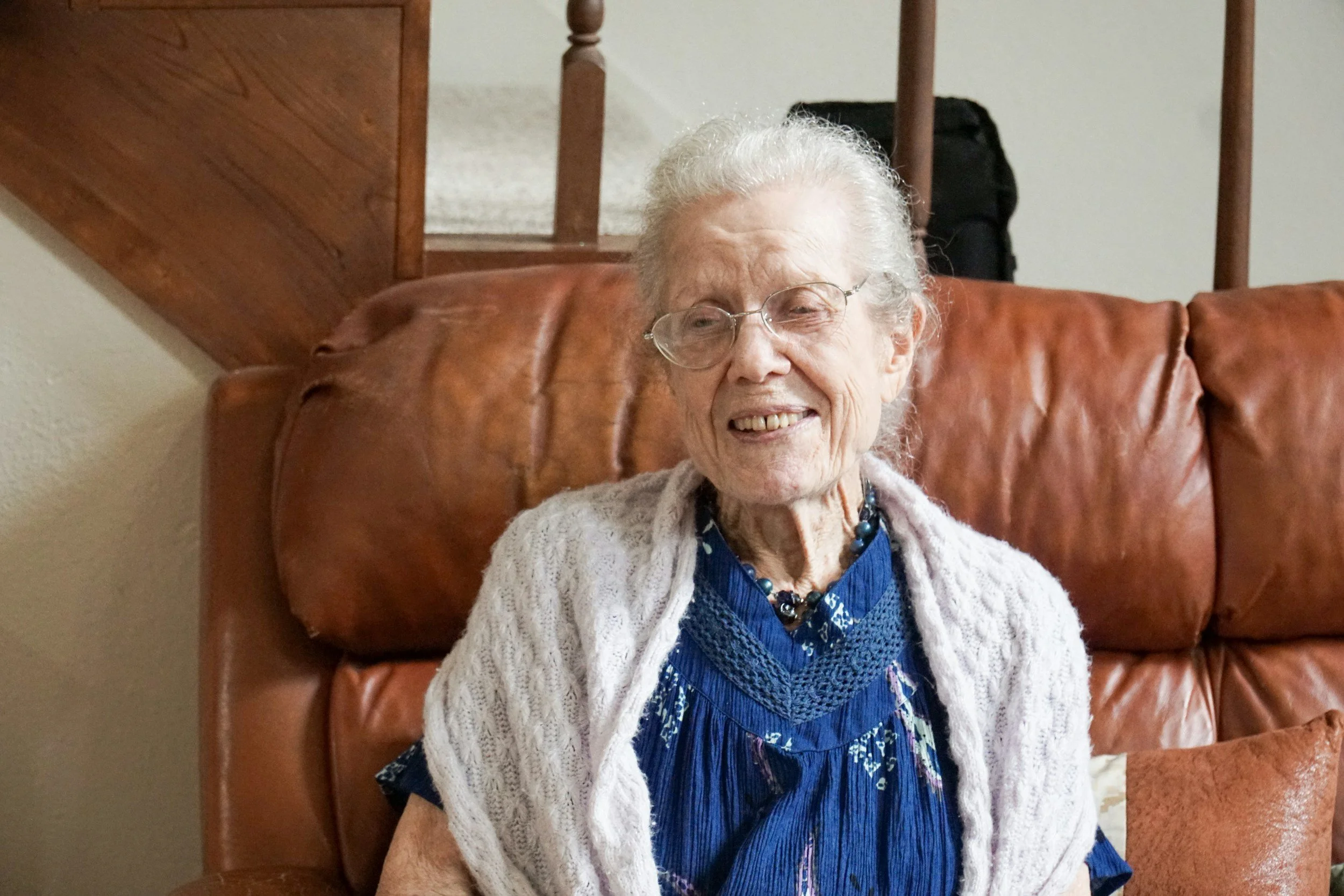
A meditation session for residents should feel welcoming, not like a class to pass. Here's what makes the difference:
Seated and comfortable. Everything can be done from a chair, a wheelchair or a bed. Nobody needs to sit on the floor.
Simple, clear guidance. Short instructions, a calm voice and no jargon. Residents shouldn't need to remember anything from last time.
Breath, body and senses. Gentle breathing, noticing the feet on the floor, listening to sounds in the room. These are easy to follow, even on a hard day.
The right length. Thirty minutes suits many groups. An hour works well when there's time to chat before and after.
Room to simply rest. If a resident dozes off, that's fine. If they'd rather just listen,
Making It Dementia-Friendly
Many of your residents may be living with dementia, and meditation can still be a lovely experience for them. Dementia Australia's activity guidance offers some principles that translate well:
Keep it short and simple. Give one instruction at a time, and allow plenty of time.
Choose the best time of day. Many people are at their best in the morning, so schedule sessions then if you can.
Create a calm space. A quiet room, soft lighting and comfortable seating help people settle.
Be present together. Often, simply sitting with someone is enough. Staff joining in can help residents feel safe.
Try again another day. If a resident isn't interested today, that's okay. Tomorrow may be different.
Familiar sounds and gentle music can help too. They can bring a sense of calm and security, and settle residents who feel unsettled.
Why Regular Sessions Matter
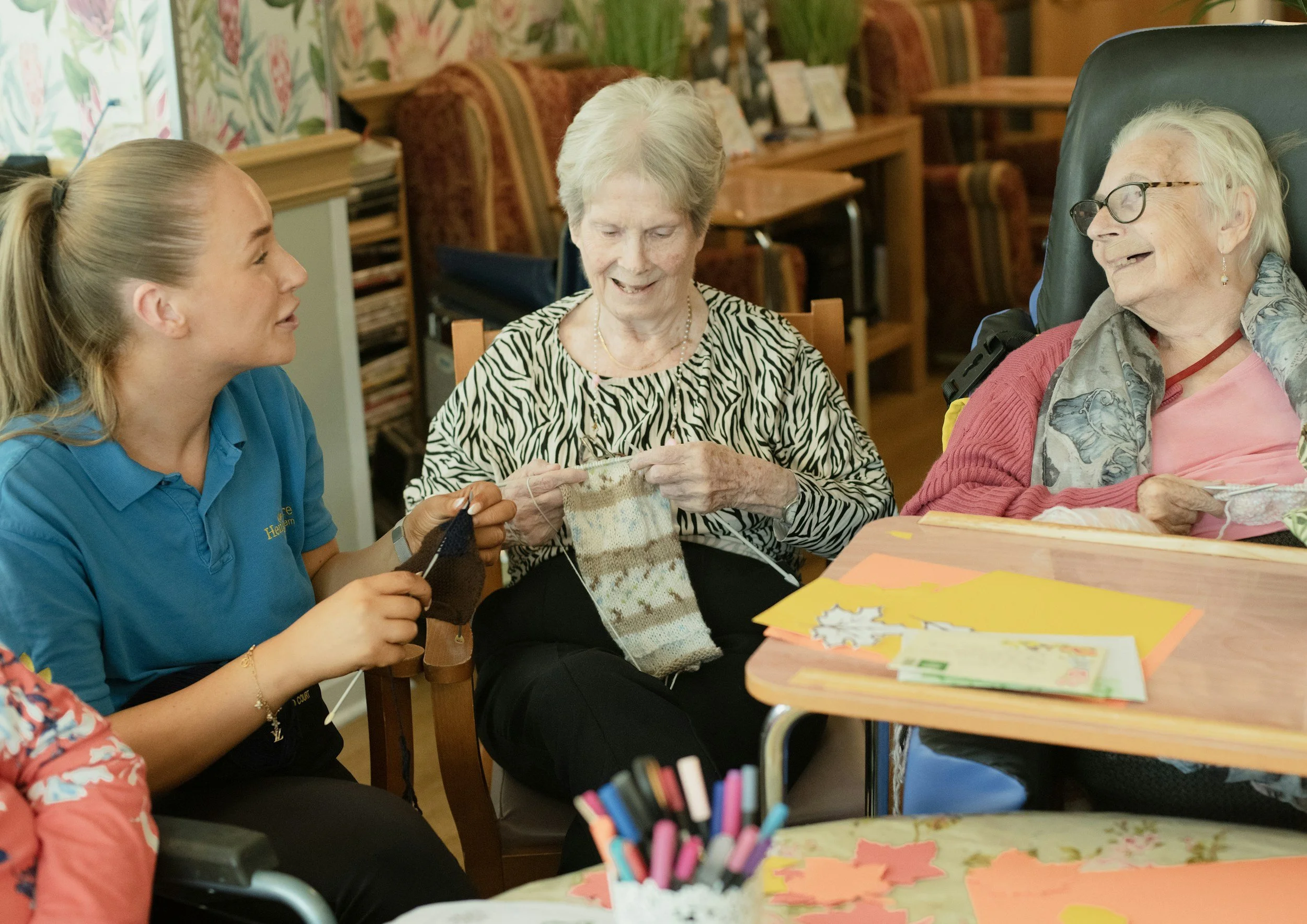
Like any habit, meditation works best when it becomes part of the routine. In the 2023 trial, residents took part over eight weeks. A one-off session can be a lovely treat, but weekly or fortnightly sessions give residents something to look forward to, and time for the benefits to build.
Regular sessions are easier for your team too. Residents get to know the facilitator, staff know what to expect, and the session becomes a fixed point in the calendar.
How to Tell If It's Working
You don't need complicated measures. Keep an eye on simple signs:
Who comes back each week
What residents say during or after the session
Whether people seem more settled afterwards
Feedback from staff and families
Over a few months, these small observations will tell you a lot.
Bring Calm to Your Residents
At Enso Meditation, we run gentle, seated group sessions for aged care communities across Melbourne. Every session is shaped around your residents, whatever their abilities.
Want to try it at your home? Explore our aged care meditation sessions, or contact us for a chat. We'd love to meet your residents.